The Patient Cellar: A Beginner's Playbook for Holding Crypto Positions Through Market Volatility
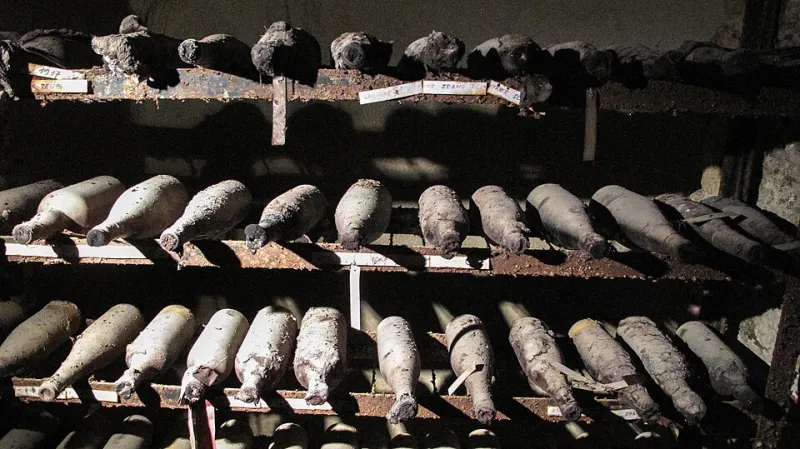
Photo: Amanda, CC BY-SA 2.0, via Wikimedia Commons
Ask any respected winemaker in Sonoma County when the right moment arrives to open their finest reserve, and they will offer the same measured response: not yet. The discipline of waiting—of resisting the impulse to consume before the conditions are right—is what separates a forgettable bottle from a transcendent one. At VinBetz, we apply that same philosophy to cryptocurrency investing, particularly for those just beginning their journey into digital assets.
New traders face a predictable psychological trap. Markets dip, anxiety rises, and the instinct to liquidate positions and preserve whatever remains feels overwhelmingly rational. But experienced blockchain investors understand that volatility is not a threat to be fled—it is a condition to be navigated with strategy and composure. The following framework is designed to help beginners build that composure, one deliberate step at a time.
Step 1: Define Your Investment Horizon Before You Invest a Single Dollar
Before purchasing any digital asset, establish clearly in writing what your holding horizon actually is. Are you positioning for a six-month cycle, a three-year accumulation period, or a decade-long conviction play? Your answer should inform every subsequent decision, including how much volatility you are genuinely prepared to absorb.
Think of this as selecting the right vintage for your cellar. A wine intended for immediate enjoyment requires different selection criteria than one destined to rest for fifteen years. Similarly, a speculative short-term position demands different risk parameters than a foundational long-term holding. Conflating the two—purchasing with long-term ambitions but reacting to short-term price movements—is among the most common and costly mistakes new investors make.
Write your investment thesis down. State the specific reasons you believe in the asset, the conditions under which you would reconsider your position, and the timeline over which you expect your thesis to play out. This document becomes your anchor during periods of market turbulence.
Step 2: Embrace Dollar-Cost Averaging as Your Primary Accumulation Tool
No winemaker harvests an entire year's worth of grapes in a single morning. The process unfolds over time, adapting to conditions as they develop. Dollar-cost averaging—the practice of purchasing a fixed dollar amount of an asset at regular intervals regardless of price—applies precisely this logic to crypto accumulation.
Rather than attempting to time market bottoms (a pursuit that humbles even the most sophisticated institutional traders), commit to a consistent purchase schedule. Weekly, biweekly, or monthly contributions spread your cost basis across multiple price points, reducing the psychological and financial impact of any single entry.
Consider a practical example: an investor who allocates $200 per month into a major cryptocurrency over twelve months acquires more units during price dips and fewer during rallies, ultimately arriving at an average cost that frequently outperforms a single lump-sum purchase made at an inopportune moment. Over multiple market cycles, this mechanical discipline has historically rewarded practitioners with meaningful compound growth.
Step 3: Understand Crypto Market Cycles the Way a Vintner Reads the Seasons
Wine production is inherently seasonal. Spring frosts, summer heat, autumn rains—each variable influences the character of the harvest and the patience required afterward. Cryptocurrency markets exhibit their own cyclical patterns, and recognizing them provides invaluable context during periods that feel chaotic to the uninitiated.
Historically, Bitcoin and the broader crypto market have demonstrated four-year cycles loosely correlated with Bitcoin's halving events—programmatic reductions in the rate of new Bitcoin supply. These cycles have typically featured extended accumulation phases, parabolic appreciation periods, sharp corrections, and prolonged consolidation intervals before the pattern repeats.
Understanding where the current market sits within this broader cycle does not guarantee precision timing, but it does provide perspective. A 40% price decline during a consolidation phase looks very different when viewed against the backdrop of a multi-year cycle than it does when evaluated in isolation over a single anxious week.
Step 4: Establish Clear Rules for When You Will—and Will Not—Sell
Disciplined cellarmasters do not open their finest bottles simply because a guest expresses enthusiasm. They open them when the wine has reached its optimal expression. Establishing predetermined exit criteria for your crypto positions provides the same structural protection against impulsive decision-making.
Consider setting tiered profit-taking targets. For example, liquidating 20% of a position when it doubles, another 20% at a 4x return, and allowing the remainder to run toward a longer-term target. This approach locks in realized gains while preserving exposure to continued appreciation—a strategy that balances prudence with opportunity.
Equally important: define the conditions under which a fundamental change in your thesis would justify an early exit. If a project's development team dissolves, if a critical security vulnerability is discovered, or if regulatory developments materially alter the asset's utility, these represent legitimate reasons to revisit your holding—not because the price has declined, but because the underlying premise has changed.
Step 5: Manage Position Sizing to Protect Your Broader Portfolio
Even the most devoted wine collector maintains a diversified cellar. Concentrating entirely in a single producer, however celebrated, introduces unnecessary risk. The same principle governs sound crypto portfolio construction.
For beginners, limiting cryptocurrency exposure to a defined percentage of total investable assets—commonly cited in the range of five to fifteen percent depending on individual risk tolerance—ensures that volatility in the digital asset space does not destabilize your broader financial position. Within your crypto allocation, further diversification across established assets and carefully vetted emerging projects reduces concentration risk.
At VinBetz, we recommend approaching position sizing with the same intentionality you would apply to any meaningful financial commitment. The goal is not merely to participate in potential upside, but to do so in a manner that preserves your capacity to remain invested through the inevitable periods of drawdown.
Patience as Competitive Advantage
In a market defined by noise, reactivity, and the relentless pressure of real-time price data, patience itself becomes a form of edge. The investors who have historically generated the most meaningful returns in cryptocurrency are not those who traded most frequently, but those who identified quality assets early, accumulated deliberately, and held with conviction through multiple cycles of fear and euphoria.
At VinBetz, where vintage wisdom meets blockchain opportunity, we believe that the finest returns—like the finest wines—are rarely rushed. Build your cellar thoughtfully. Let your positions mature. And when the moment finally arrives, the reward will justify every patient year of waiting.