Tasting Notes for the Blockchain: A Qualitative Framework for Evaluating DeFi Protocols

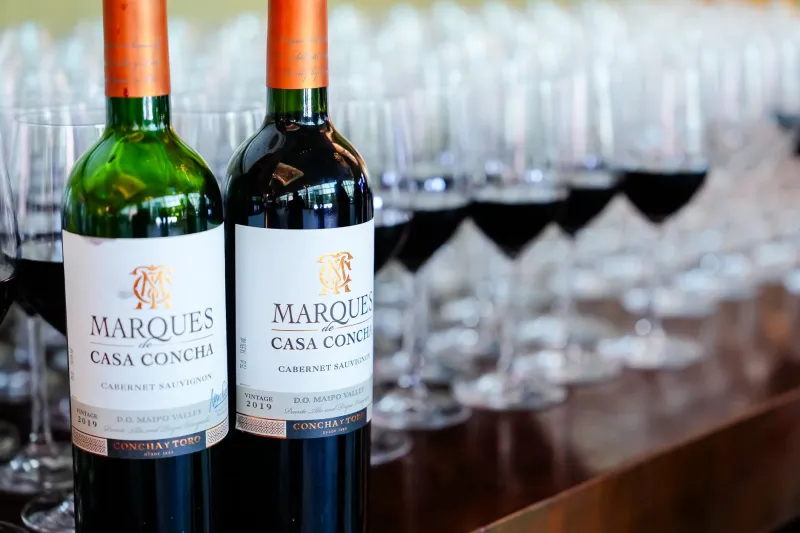
Walk into any serious wine cellar in Napa or Sonoma and you will find, alongside the bottles, a collection of handwritten notebooks. These are not inventory logs. They are observational journals—records of color, aroma, texture, and finish accumulated over years of careful attention. Professional sommeliers have long understood that numbers alone cannot capture what makes a wine extraordinary or, conversely, what makes it quietly deteriorating behind a prestigious label.
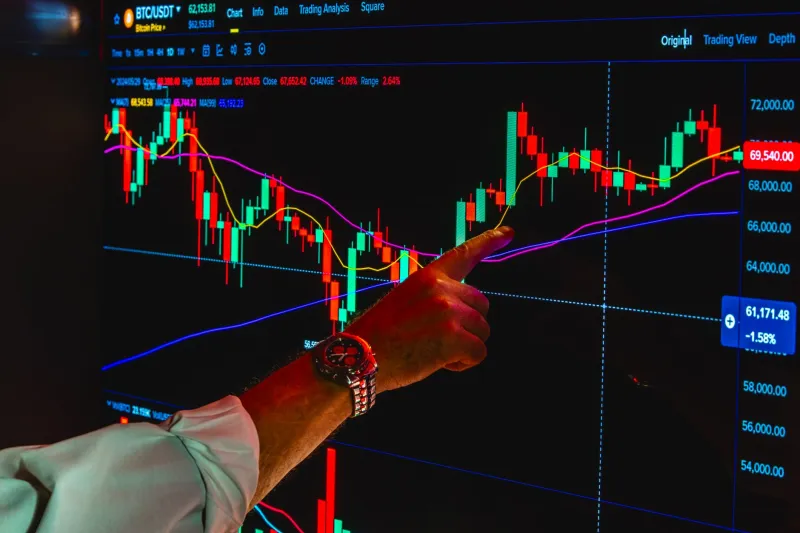
The same logic applies to decentralized finance. Most DeFi participants evaluate protocols through a narrow quantitative lens: annual percentage yields, total value locked, trading volume, and token price momentum. These figures matter, but they are the equivalent of reading a wine's alcohol content and calling it a review. The deeper story—the one that separates lasting value from a fleeting sugar rush—requires a different kind of attention.
At VinBetz, we believe the qualitative instincts cultivated in fine wine culture offer DeFi investors a genuinely superior framework for protocol evaluation. What follows is a practical guide to building that framework for yourself.
Why Spreadsheets Alone Are Insufficient
Spreadsheets are indispensable. No serious investor should abandon them. But they carry an inherent limitation: they record what has already happened, and they record only what can be measured cleanly. A protocol's APY from last Tuesday is a historical data point. What it cannot tell you is whether the community governance forum has grown increasingly fractious, whether the development team's communication cadence has quietly slowed, or whether the user base has subtly shifted from long-term liquidity providers to short-term yield chasers.
These qualitative signals are, in many cases, leading indicators. They precede the numbers. A sommelier who notices that a once-reliable producer has begun cutting corners on barrel aging does not wait for the scores to drop before adjusting their cellar strategy. They act on the observational evidence in front of them. DeFi investors who develop the same discipline gain a meaningful timing advantage.
Building Your Protocol Tasting Journal
The first step is establishing a consistent documentation practice. Create a dedicated journal—digital or physical, whichever you will actually maintain—and commit to recording structured observations each time you interact with or research a protocol. The goal is not comprehensiveness on day one. It is consistency over time.
For each entry, organize your notes around four qualitative dimensions, drawn directly from the sommelier's vocabulary:
Appearance. How does the protocol present itself? Evaluate the clarity of its documentation, the professionalism of its interface, and the transparency of its on-chain governance records. A protocol with well-maintained documentation and an active improvement proposal history projects the same kind of confidence as a wine with clean color and a well-structured label. Murkiness in either case warrants scrutiny.
Aroma. Before committing capital, spend time in the protocol's community spaces—its Discord server, governance forum, and social media channels. What is the prevailing sentiment? Is the conversation substantive and technically engaged, or is it dominated by price speculation and promotional noise? Community aroma is often the earliest signal of either genuine development momentum or impending instability.
Palate. This is where you engage directly with the protocol's mechanics. Examine the fee structure with care. Understand who captures value and under what conditions. Evaluate the liquidity pool composition and the incentive design behind it. Ask whether the yield on offer reflects genuine economic activity or is being subsidized by token emissions that will eventually exhaust themselves. The finish on a well-designed protocol—like a well-made wine—should feel integrated and sustainable rather than artificially amplified.
Finish. After your initial engagement, what lingers? Note how the protocol behaves during periods of market stress. Does liquidity hold, or does it evaporate rapidly when conditions deteriorate? A protocol that maintains user retention through a downturn has demonstrated something that no APY figure can communicate: genuine stickiness. That stickiness is a quality characteristic worth documenting and revisiting.
Tracking Protocol Behavior Over Time
A single tasting note is informative. A series of tasting notes recorded over months is something far more powerful: a behavioral profile. Sommeliers who track a producer across multiple vintages develop an intuitive sense of consistency, trajectory, and vulnerability. DeFi investors who maintain longitudinal protocol journals develop the same kind of pattern recognition.
Pay particular attention to governance changes. When a protocol introduces a new fee structure, modifies its tokenomics, or shifts its liquidity incentive program, record your observations immediately. Note not just what changed, but how the community responded. Was the change passed with broad participation or pushed through with minimal engagement? Was the rationale clearly communicated or buried in technical language that obscured the implications?
Over time, these governance observations will reveal the character of the team and community behind the protocol. Some protocols, like certain celebrated Burgundy producers, demonstrate a consistent commitment to long-term value that compounds quietly. Others reveal a pattern of short-term optimization that, once recognized, should recalibrate your risk assessment significantly.
Integrating Qualitative Notes With Quantitative Data
The objective is not to replace your spreadsheets but to build a layer of interpretive intelligence beneath them. When your quantitative dashboard shows a sudden spike in a protocol's TVL, your qualitative journal should help you answer the question that the number alone cannot: is this growth organic and sustainable, or is it a temporary influx driven by a promotional yield event?
Similarly, when APY begins to compress—as it inevitably does in maturing protocols—your tasting notes should inform whether that compression reflects healthy market equilibration or the early stages of user attrition. The answer will determine whether you hold your position, reduce it, or begin rotating capital toward an earlier-stage protocol with stronger qualitative indicators.
The Discipline of Honest Documentation
One final principle, borrowed directly from the sommelier's discipline: record what you actually observe, not what you hope to find. Confirmation bias is as dangerous in DeFi as it is in wine collection. A sommelier who talks themselves into a mediocre bottle because they paid a premium for it is making an expensive psychological error. A DeFi investor who glosses over deteriorating governance signals because they are emotionally committed to a position is making the same mistake with potentially greater financial consequences.
Your tasting journal is only as valuable as your honesty in maintaining it. When a protocol shows signs of stress—declining active wallets, governance voter apathy, fee structures that increasingly favor insiders—write it down plainly. The discipline of honest documentation is what separates a reliable framework from an exercise in self-reinforcement.
The finest wine professionals in the country did not develop their palates overnight. They built them through years of structured, honest, comparative observation. DeFi investors who commit to the same practice will find that, over time, they are reading protocols with a clarity and confidence that no dashboard can manufacture.