Futures on the Vine: How Tokenized Wine and Prediction Markets Are Quietly Merging in America
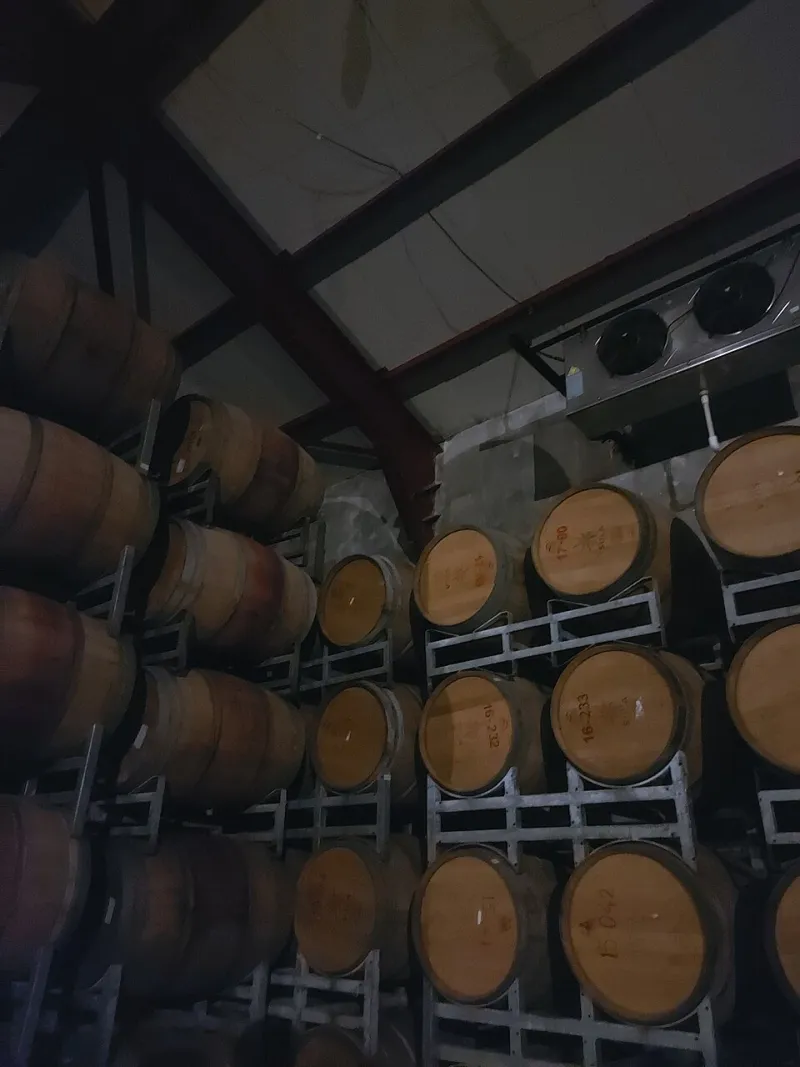
Photo: Namrata Mohanpuria, CC BY 4.0, via Wikimedia Commons
For centuries, the fine wine trade has run on a peculiar instrument: the futures contract, or en primeur, in which buyers pay for Bordeaux that exists only as barrels in a château's cellar. You are purchasing a claim on a future vintage — an outcome shaped by weather, winemaking skill, and market sentiment. Sound familiar? It should. Betting on a token before its launch, or taking a position on a prediction market about a protocol's future metrics, is the same wager wearing different clothes.
In 2025, these two traditions are beginning to merge, and the collision is happening squarely on American soil.
The Structural Parallel
Strip away the branding and both markets share a common anatomy. Each involves paying today for a deliverable that does not yet exist. Each prices in uncertainty — the vintage could fail; the token launch could flop. Each creates a secondary market where early claims are traded at premiums or discounts before resolution. And each attracts a particular kind of speculator: the buyer who believes their information about quality is better than the crowd's.
This is not a loose analogy. Tokenization platforms are already issuing digital claims on physical wine inventories, allowing fractional ownership of cases stored in bonded warehouses. Meanwhile, US-regulated prediction markets — operating under CFTC oversight — let Americans wager on everything from election outcomes to crypto price thresholds. The plumbing is converging even if the marketing has not.
The Regulatory Terrain
The American regulatory picture is where the two worlds diverge sharply. Tokenized real-world assets sit in a gray zone between securities law and commodities law, with the SEC and CFTC still negotiating jurisdictional boundaries case by case. A tokenized barrel of wine that promises appreciation looks uncomfortably like an investment contract; the same barrel represented as a redemption claim for physical delivery looks more like a warehouse receipt.
Prediction markets, by contrast, have gained real regulatory footing. The CFTC's approval of contract markets for event trading has brought platforms like Kalshi and prediction offerings from established exchanges into the mainstream, giving US retail participants a legal venue for event-based wagers.
The friction point is the hybrid: a financial product that combines an asset claim with an event bet. A contract that pays out based on whether a wine vintage scores above a critic's threshold, or whether a token launch hits a market cap milestone, is functionally a derivative — and derivatives require registered venues.
Who Is Building the Bridge
A cluster of platforms is experimenting at the intersection. Tokenization services are fractionalizing collectibles, including wine, with compliant custody arrangements. Prediction market operators are expanding event catalogs that touch crypto outcomes directly. And a handful of exchanges are exploring pre-launch token markets — a structure that closely mirrors the en primeur model, complete with the same risks of overpaying for hype.
For now, most of these experiments serve sophisticated or accredited participants. The retail version of the convergence remains largely aspirational.
What It Means for American Investors in 2025
Three practical takeaways for the year ahead. First, expect more legal ways to gain exposure to illiquid real-world assets — but read the structure, because a claim on a warehouse and a claim on appreciation are very different legal animals. Second, prediction markets will increasingly cover crypto-native events, creating new hedging tools that retail traders can legitimately use. Third, the en primeur lesson applies everywhere: buying an unfinished product means paying for potential, and most potential does not compound.
The wine trade survived centuries of futures speculation by developing institutions — critics, provenance records, auction houses — that disciplined the market. Crypto's version of those institutions is still under construction. The investors who profit from the convergence will be the ones who understand that a claim on the future is only as good as the mechanism that settles it.