Aged to Perfection or Past Its Prime? The Hard Truth About HODLing Altcoins for the Long Haul
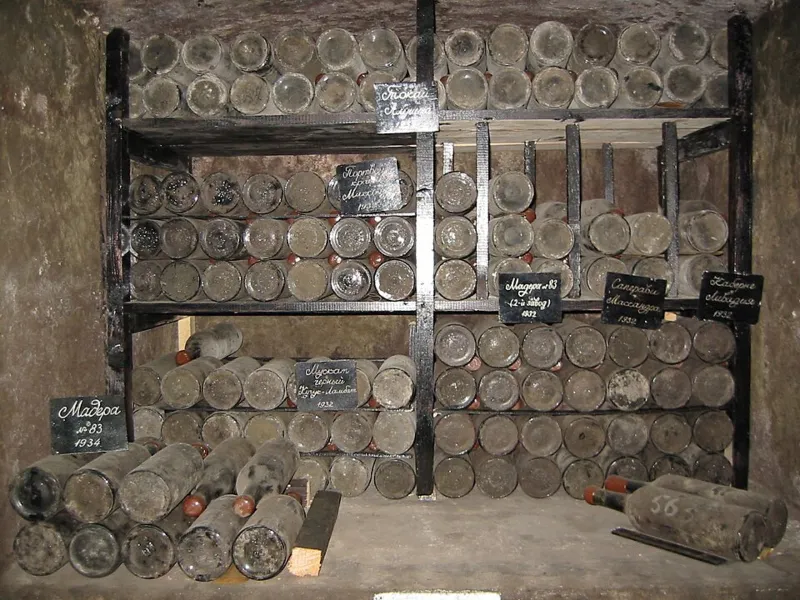
Photo: Vyacheslav Argenberg, CC BY 2.0, via Wikimedia Commons
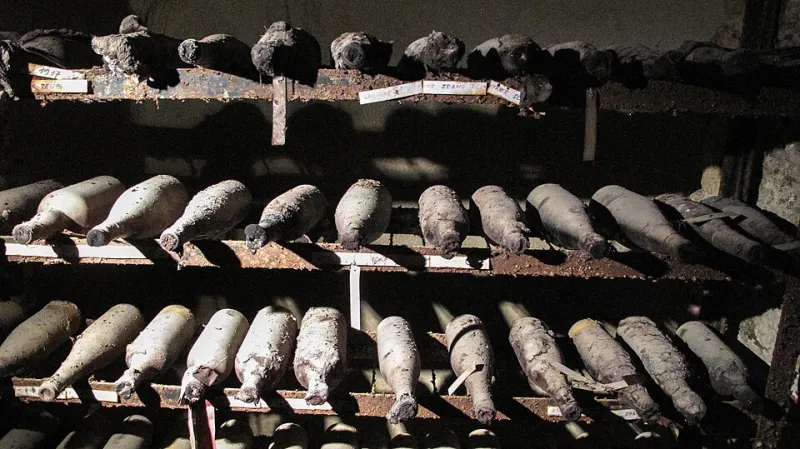
There is a particular kind of confidence that emanates from a seasoned wine collector who seals away a case of first-growth Bordeaux with the intention of not touching it for twenty years. That confidence is not recklessness—it is grounded in provenance, regional reputation, grape chemistry, and a multi-century track record of appreciation. When crypto enthusiasts invoke the same spirit of patient conviction to justify holding altcoins through brutal bear markets, the comparison feels poetic. Whether it holds up under scrutiny is another matter entirely.
At VinBetz, we sit at the intersection of these two worlds, and we believe that intersection deserves honest examination rather than flattering mythology.
The Allure of the Long Hold
The HODL philosophy—born from a famously misspelled forum post in 2013 and now a cornerstone of crypto culture—argues that time in the market beats timing the market. For Bitcoin, this thesis has been repeatedly vindicated. Early adopters who resisted the urge to sell during the crashes of 2014, 2018, and 2022 were ultimately rewarded. The analogy to fine wine aging is seductive precisely because it reframes inaction as discipline.
A bottle of 1947 Château d'Yquem, one of the most celebrated dessert wines ever produced, is worth exponentially more today than it was at release. The collector who stored it correctly, resisted the temptation to open it prematurely, and waited for the tannins and sugars to reach their peak expression did not simply get lucky. They understood the underlying asset.
The question worth asking is: do most altcoin HODLers possess an equivalent depth of understanding about their holdings?
What Wine Gets Right That Crypto Often Misses
Fine wine appreciation is not arbitrary. A grand cru Burgundy ages well because of identifiable, measurable factors—the acidity that preserves freshness, the tannin structure that softens over time, the terroir-driven complexity that deepens rather than fades. Collectors who age wine successfully do so because those underlying characteristics are documentable and relatively stable.
Altcoins, by contrast, derive their long-term value from an entirely different set of variables: developer activity, protocol utility, competitive positioning, regulatory exposure, and the mercurial dynamics of retail sentiment. These variables are not only harder to assess—they are subject to disruption in ways that a Napa Valley hillside simply is not. A superior blockchain protocol can be forked, superseded, or simply abandoned by its community. A great vineyard cannot be replicated in a server farm.
This does not mean altcoins cannot appreciate over long time horizons. Several have. But the mechanisms of that appreciation differ fundamentally from wine, and conflating the two can encourage a dangerous passivity.
Identifying Altcoins With Genuine 'Vintage Potential'
Not all bottles are worth cellaring, and not all altcoins merit a multi-year hold. The discipline lies in distinguishing between assets with structural staying power and those that merely carry the aesthetic of permanence.
Consider these markers when evaluating whether an altcoin merits long-term conviction:
Network utility and real-world adoption. A wine ages well when it has the structure to support transformation over time. An altcoin ages well when it is embedded in applications, protocols, or financial infrastructure that grows more indispensable with time. Ethereum's role in DeFi and NFT infrastructure provides a functional analogy to a wine with exceptional aging architecture.
Developer continuity and ecosystem health. The winemaker matters. A château with consistent, skilled stewardship produces more reliable vintages. Altcoins with active, transparent development teams and growing contributor communities are better positioned for longevity than those riding a single founder's charisma.
Tokenomics that reward patience. Some altcoins are structurally deflationary or reward long-term holders through staking mechanisms. These designs echo the natural scarcity of a limited-production vintage—supply constraints that support value over time.
Regulatory resilience. In the United States, the regulatory environment for digital assets remains in active evolution. Projects with clear compliance frameworks or those operating in jurisdictions with favorable regulatory postures carry less existential risk than those whose legal status is perpetually ambiguous.
The Dangerous Comfort of the Cellar Metaphor
Perhaps the most significant risk of the wine-aging analogy is psychological rather than analytical. A collector who stores wine incorrectly—wrong temperature, poor humidity control, inadequate light management—will return years later to a ruined bottle. The patience was real. The outcome was not.
Similarly, an altcoin HODLer who fails to monitor protocol developments, governance changes, or competitive threats may discover that their patient conviction was directed at an asset that quietly became obsolete. In wine, the cellar protects the investment passively. In crypto, passive storage is not a strategy—it is a gamble dressed in the language of discipline.
The most sophisticated wine collectors do not simply lock bottles away and forget them. They track auction prices, follow critical reassessments, and adjust their holdings based on new information. The parallel for altcoin investors is continuous, informed monitoring—not the romantic myth of sealing the vault and walking away.
A Measured Verdict
The 1947 Château d'Yquem comparison is evocative, and it contains a kernel of genuine wisdom: certain assets reward patience, and the impulse to sell during temporary downturns can destroy long-term value. For blue-chip cryptocurrencies with demonstrated network effects and institutional adoption, that principle has merit.
For the broader altcoin universe, however, the wine cellar is an aspirational metaphor rather than a reliable framework. The assets that will truly age like great wine are likely few in number, difficult to identify in advance, and require ongoing stewardship rather than passive faith.
At VinBetz, we encourage our readers to hold their positions with the same rigor a master sommelier brings to a cellar—not merely with the same romance.