The Corkage Fee Problem: Why American Crypto Traders Are Demanding a Wine-List Standard for Fees
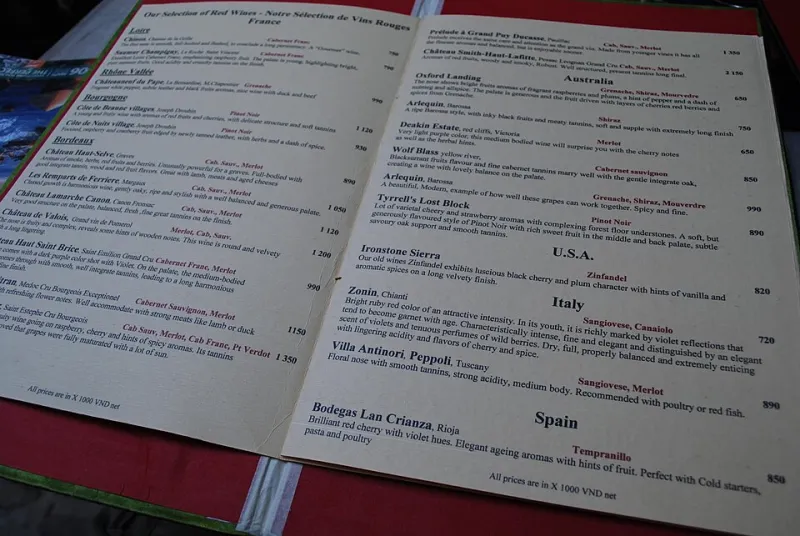
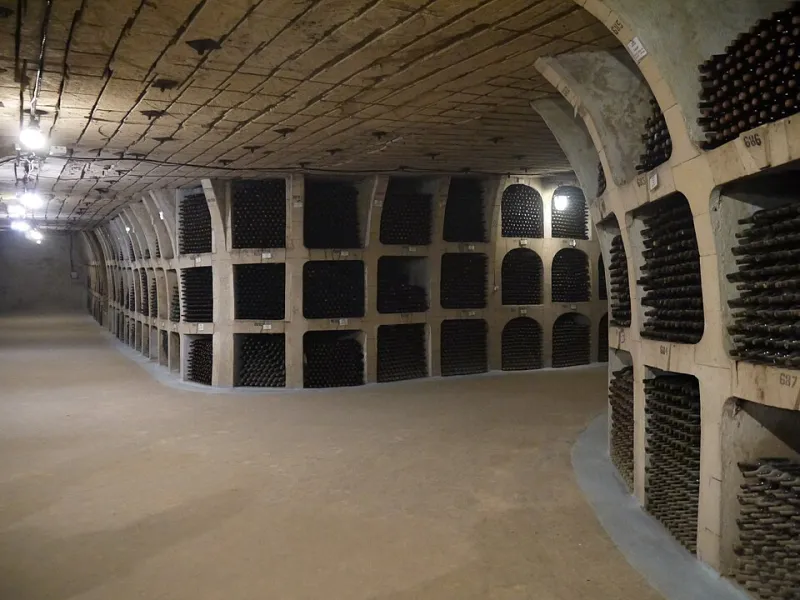
Photo: Alpha from Melbourne, Australia, CC BY-SA 2.0, via Wikimedia Commons
There is a particular kind of frustration known to every American who has dined out with a bottle of their own: the corkage fee, revealed only when the check arrives. Sometimes it is $15, sometimes $50, and occasionally the restaurant refuses the bottle altogether. The problem is never the charge itself — it is the surprise. A well-run establishment prints its corkage policy on the wine list, in plain view, before you sit down.
Crypto trading platforms in the United States could learn something from that practice.
The Unmarked Charges in Your Trading Statement
Consider what a typical retail trader actually pays on a given trade. The advertised commission might be zero. But the execution price quietly includes a spread — the gap between what the platform pays for liquidity and what it charges you. Staking rewards arrive trimmed by commissions that were disclosed in a terms-of-service document nobody reads. Withdrawals carry network fees that fluctuate with congestion, and the platform's share of that markup is rarely itemized.
Each of these charges is defensible in isolation. Collectively, they create the same experience as a surprise corkage fee: a customer who feels nicked rather than served. And unlike a restaurant, where the diner pays once, a trader pays on every single transaction, compounding the damage across hundreds of executions a year.
What a Wine-List Standard Would Look Like
The wine list is one of the great transparency instruments in American commerce. Every bottle is priced, every markup is baked into a number you can read before ordering. There is no post-hoc adjustment, no surcharge revealed at settlement. You know the cost; you decide whether the value justifies it.
A comparable standard for crypto would require platforms to publish three things prominently, not buried in documentation:
- Total cost of execution, including spread, expressed in basis points.
- Staking and yield commissions, stated as an explicit percentage of rewards retained by the platform.
- Withdrawal and network pass-through charges, with the platform's margin itemized separately from the raw chain fee.
None of this is technically difficult. The obstacle is cultural — an industry that grew up on opacity has little institutional appetite for it.
Who Is Already Pouring Honestly
The encouraging news is that a handful of US-facing platforms have moved in this direction. Regulated exchanges operating under New York's BitLicense framework face disclosure obligations that push them toward itemized fee schedules. Several major American exchanges now publish maker-taker tiers with explicit spread estimates for retail order types, and a few staking providers have begun stating their commission as a flat percentage on landing pages rather than in footnotes.
These are early efforts, and none goes as far as the wine-list ideal — a single, all-in cost figure per transaction type. But they demonstrate that transparency is commercially viable. Customers reward clarity; regulators reward it even more.
Why This Matters More in 2025
With US regulators scrutinizing fee practices across digital asset platforms, the industry has a choice: reform voluntarily and shape the standard, or wait for one to be imposed. Traders, meanwhile, can vote with their wallets. Before opening an account, ask the platform for its all-in cost per trade type. If the answer requires a spreadsheet and a law degree, that tells you something.
A good sommelier tells you the corkage fee before you unplug the bottle. Crypto platforms should extend the same courtesy — because trust, like a well-stored vintage, is built slowly and spoiled instantly.