Uncorking Your First Portfolio: Five Cellar Blunders That Sink Rookie Crypto Investors
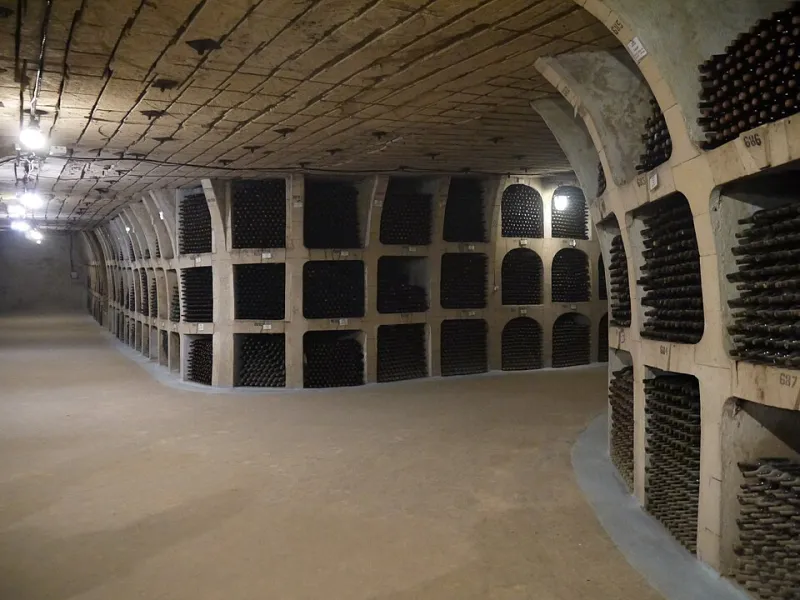
Photo: Furkan Akkurt, CC BY-SA 4.0, via Wikimedia Commons
Every serious wine collector destroys a few hundred dollars' worth of bottles before learning the trade. Every serious crypto investor, it turns out, does exactly the same thing with a different asset. The parallels are close enough that the corrective playbook from one world transfers almost wholesale to the other. Below are the five mistakes that most reliably drain a beginner's portfolio — and the cellar-master habit that fixes each one.
Mistake One: Buying at the Height of Auction Fever
Novice collectors see a bottle of Burgundy hammer at triple its estimate and assume the price reflects demand they can ride. It usually reflects the tail end of demand. Crypto's equivalent is the coin that trends on social media on a Saturday night; by the time a newcomer can execute the purchase, the party is over and the cleanup has begun.
The corrective habit: Experienced cellar masters set a maximum price before the auction starts and walk away when bidding exceeds it. Write down your entry criteria — valuation, drawdown threshold, position size — before markets open, and treat them as binding.
Mistake Two: Storing the Asset Improperly
A great bottle kept in a sunny kitchen closet is worth less than a mediocre bottle kept at 55 degrees. Crypto has its own version of bad storage: assets left on exchanges with no cold wallet, seed phrases photographed on a phone, passwords reused across platforms. The asset can be excellent and the storage can still destroy it.
The corrective habit: Serious collectors invest in proper racking and climate control before they invest in more bottles. Move meaningful holdings to hardware storage, back up recovery phrases offline in duplicate, and treat security infrastructure as a prerequisite, not an afterthought.
Mistake Three: Owning Forty Bottles and Drinking None
Beginners often build unwieldy collections — a little of everything, mastered nowhere. The crypto version is a portfolio of thirty tokens, none sized meaningfully enough to matter and none understood well enough to hold through a drawdown.
The corrective habit: Cellar masters concentrate on a handful of regions they know deeply. A focused portfolio of five to eight assets you can explain in two sentences each will outperform a scattershot grab bag, if only because you will not capitulate on positions you actually understand.
Mistake Four: Chasing Scores Instead of Palate
A 95-point rating sells bottles, but collectors who buy scores rather than taste end up with a cellar full of consensus and no edge. Crypto investors who buy whatever a prominent influencer rates highly are doing the same thing — paying a premium for someone else's conviction.
The corrective habit: Develop your own evaluation framework: tokenomics, real usage, developer activity, treasury health. Use third-party ratings as one input, never the verdict.
Mistake Five: Opening the Bottle Too Early
Perhaps the most painful error: panic-selling a young position during its first rough patch, then watching it mature without you. Wine people call this drinking the bottle before its window; traders call it selling the dip they were planning to hold.
The corrective habit: Patient collectors separate the cellar (long-term holdings, untouched) from the rack (assets for nearer-term use). Segment your crypto the same way — a core allocation you have committed not to touch through at least one full cycle, and a smaller active sleeve for tactical moves.
The Common Thread
Every one of these mistakes stems from the same root: impatience dressed up as decisiveness. The cellar master's advantage is not superior information. It is the willingness to let time, temperature, and compounding do the work while resisting the urge to keep opening the cellar door.